What to Expect from All In One Exteriors for Your Roofing Needs
What to Expect from All In One Exteriors for Your Roofing Needs
Blog Article
Comprehensive Exterior cladding and Roof Services for Your Home
Comprehensive exterior and roof solutions serve as a key component in boosting a home's total worth and visual attractiveness. By offering a selection of materials, homeowners can pick choices that suit both their style and budget. Professional installation and ongoing upkeep are critical for longevity. Yet, many miss the important factors that determine decisions and expenses. Understanding these factors can result in well-researched decisions about improvements and maintenance work. What choices are offered to optimize both functionality and appearance?
Which Siding Solutions Suit Your Home?
When assessing cladding choices for a home, which products best improve both appearance and longevity? Homeowners often investigate a range of materials, each offering unique advantages. Vinyl siding stays a popular choice due to its affordability, low maintenance, and selection of colors. Alternatively, fiber cement siding provides exceptional durability, able to withstand severe weather while replicating the appearance of wood or stucco. For those seeking a more classic look, wood siding offers a refined option but requires regular upkeep to prevent decay. Metal siding, including aluminum or steel, provides a contemporary aesthetic combined with resilience against the elements. Additionally, brick and stone veneer can enhance a home's visual charm while providing significant insulation. Ultimately, the choice of siding should represent the homeowner's design preferences, budget, and ongoing longevity needs, ensuring a balance between beauty and function.
Why Premium Roofing Counts for Your Property
Quality roofing proves essential in shielding a home against the elements and enhancing its overall value. A strong roof defends against water infiltration, which can lead to mold growth, structural damage, and costly repairs. Additionally, high-quality materials improve energy performance, cutting heating and cooling costs while maintaining a comfortable indoor environment.
Furthermore, a carefully maintained roof betters the aesthetic attractiveness of a property, making it more attractive to prospective buyers. Homeowners who invest in premium roof materials often find that it increases their home's property value, offering a strong return on investment.
Moreover, a dependable roof can withstand harsh environmental elements, ensuring longevity and peace of mind. Routine upkeep and inspections are vital to extending its durability and detecting problems beforehand. Ultimately, selecting premium roofing materials is a fundamental aspect of responsible homeownership, providing protection and improving the structural quality of the property.
The Importance of Quality Installation on Performance and Aesthetics
Professional setup greatly influences both the performance and look of roofing systems. When a roof is put in place by experts, it ensures that all materials are correctly positioned and fastened, minimizing the risk of leaks and structural issues. Precise installation methods improve the roof's durability, allowing it to withstand harsh weather conditions and prolong its lifespan.
Moreover, the visual design of a property are considerably influenced by how correctly the roof system is constructed. Uneven shingles or displaced panels can diminish a home's visual attractiveness, while a professionally installed roofing enhances the overall architectural style. Additionally, experienced installers are skilled at picking the suitable options and finishes that enhance both functionality and aesthetics.
Determining Siding and Roofing for Maximum Energy Efficiency
Picking the right siding and roofing materials is essential for improving energy efficiency in a home. Insulated siding, for instance, can considerably reduce heat loss during winter months, while reflective roofing materials can help keep homes cooler in summer. Materials such as fiber cement and vinyl offer excellent durability and insulation properties, making them excellent choices for energy-conscious homeowners.
Moreover, the hue of roofing plays a vital role; light colors bounce back sunlight, resulting in lower cooling costs. The use of energy-saving windows and adequate sealing around the siding and roofing can further enhance a home's heat efficiency.
Selecting materials with superior R-ratings ensures improved insulation, while choices like metallic roof systems can provide durability and reflectivity. Ultimately, a thoughtful selection of exterior cladding and roof materials not only contributes to reduced energy costs but also improves overall comfort within the living space. Putting money in energy-efficient solutions results in long-term benefits for both the environment and homeowners.
Ways to Identify When Siding or Roofing Needs Repair?
Recognizing the necessity for siding or roofing repair is vital for keeping up a home's integrity. Homeowners should observe obvious indicators of damage, including warping or cracks, along with evidence of water leakage, which can cause more significant issues. Additionally, the age and general wear of materials can indicate when maintenance is required to steer clear of costly replacements.
Noticeable Damage Symptoms
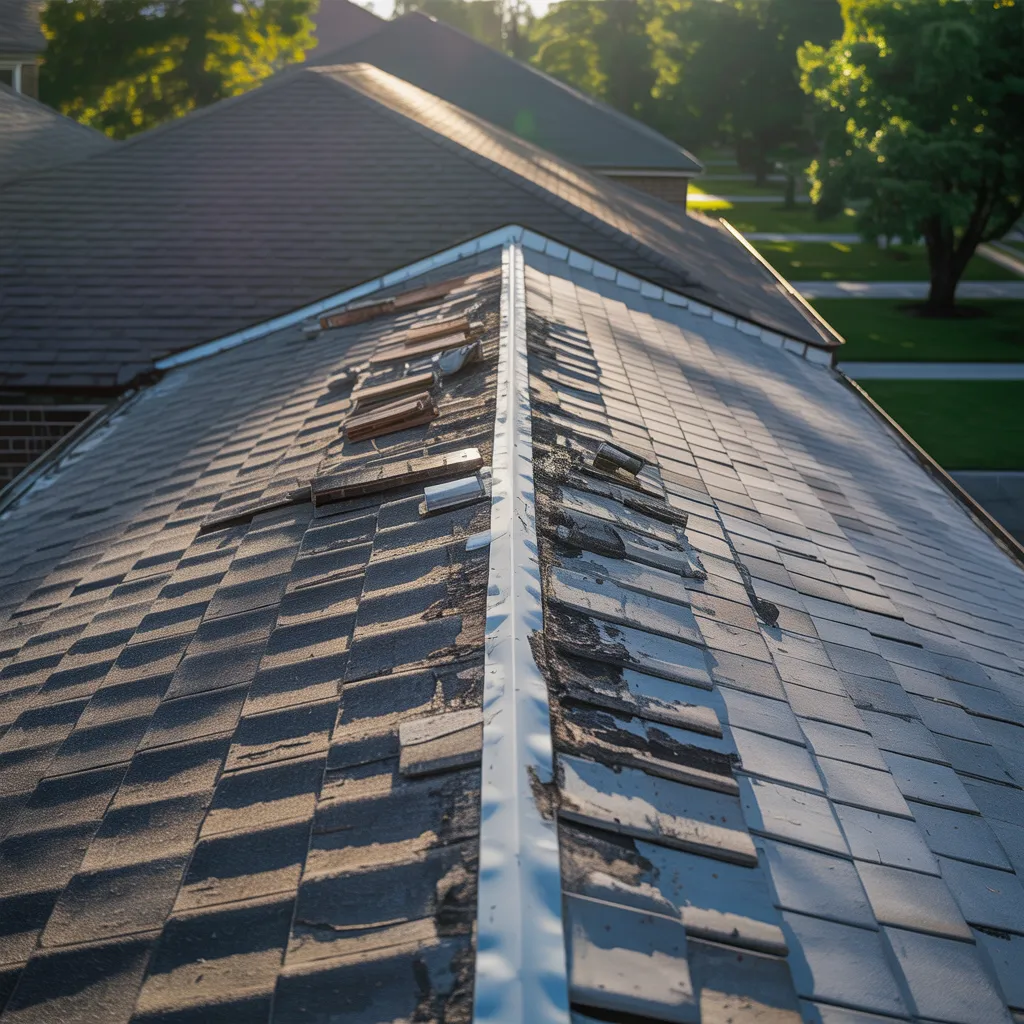
Noticeable damage on the siding or roofing can greatly compromise a home's structural integrity. Homeowners must consistently check their exteriors for signs of wear and tear. Fissures, warping, or paint peeling on the siding may indicate deterioration, while missing or damaged roof tiles can leave roofs to additional elements. Furthermore, discoloration or fungal growth can point to underlying issues. Loose or sagging components are also red flags, signaling that fixes are needed. In extreme cases, residents may notice gaps or holes that could allow insects access. Quickly identifying these visible damage signals can prevent more extensive and expensive restorations down the line, ensuring the home stays safe against harsh weather conditions and preserving its visual charm.
Water Leak Indicators
Grasping the significance of water leakage indicators is vital for maintaining the soundness of siding and roofing. Homeowners should be attentive for several signs that may signal potential issues. Stains on interior walls or ceilings often reveal hidden leaks, while peeling paint or wallpaper may point to moisture intrusion. Additionally, the presence of mold or mildew around windows and doors can point to weakened siding. On the exterior, warped or buckling materials may signal water damage. Puddles near the foundation or damp spots in the attic can also serve as critical indicators. Regular inspections for these signs can help homeowners manage problems promptly, preventing more extensive damage and costly repairs. Awareness of these indicators supports proactive maintenance.
Aging and Wearing down
Homeowners must recognize the signs of age and wear in siding and roofing to preserve their property’s longevity. Typical symptoms such as curling, cracking, or fading of shingles and panels indicate damage. It is important to look for any loose or missing materials as these can expose the underlying structure vulnerable to moisture and pests. The build-up of mold or mildew may indicate water retention, which indicates possible damage. Additionally, checking flashing around chimneys and vents for rust or gaps is crucial. Consistent examinations, especially after severe weather, assist in early detection of problems. Addressing these concerns quickly can help prevent costly repairs and increase the lifespan of siding and roofing systems.
Financial Planning for Siding and Roofing Renovations: Major Considerations
What approaches can property owners use to effectively budget for siding and roofing enhancements? First, they should assess the current state of their property to establish the extent of necessary replacements or repairs. Obtaining estimates from numerous contractors delivers a more transparent picture of costs, allowing for informed comparisons. Homeowners should also factor in material choices, as options extend from affordable vinyl to luxury cedar or metal discover details on siding.
In addition, it is important to take into account labor costs, which can fluctuate substantially depending on regional rates and scope of work. Reserving a contingency fund for unforeseen expenses is wise, as hidden problems often occur during renovations.
Ultimately, looking into financing options or seasonal savings can help alleviate the financial burden. By analyzing these key considerations, property owners can set up a realistic budget that assures their siding and roofing enhancements are both effective and financially manageable.
Commonly Asked Questions
How lengthy Do Siding and Roofing Materials Typically Last?
Siding materials typically persist between 20 to 40 years, depending on the variety, while roofing components can range from 15 to 50 years. Factors such as maintenance and climate greatly affect their lifespan.
What Coverage Plans Are Offered for Siding and Roofing Items?
Multiple warranties for roofing and siding products comprise manufacturer warranties, which generally last 50 to 20 years, and warranties for labor, usually covering installation for 10 to 1 years, ensuring protection against defects and improper installation.
Can I Install Roofing or Siding Myself?
Yes, persons can install roofing or siding themselves, provided they possess the necessary skills and tools. However, it's paramount to keep in mind building requirements and probable risk factors pertaining to such projects.
How Do Weather Conditions Influence Siding and Roofing Selections?
Climate conditions significantly impact siding and roofing options. Severe temperatures, humidity, and precipitation levels establish material durability and insulation properties, leading homeowners to select options that guarantee longevity and performance in their specific climate.
What Care Do You Need for Siding and Roofing?
Regular upkeep for siding and roofing includes checking for deterioration, removing buildup, sealing gaps, and recoating as needed. Periodic checks ensure durability and functionality, avoiding expensive fixes and improving the home's overall appearance.
Report this page